Homeowners start looking for “siding replacement” when cracks, warping, or high energy bills signal that the exterior cladding is no longer protecting the structure efficiently. Swapping out old siding restores weather resistance, improves home energy efficiency, and instantly upgrades curb appeal—often without the need for a full remodel. If you’re ready to understand the exact steps, costs, and material choices, the guide below walks you through everything you need to know, from spotting the right moment to hiring a qualified contractor. For a quick overview of why siding matters, see the core benefits of quality exterior cladding.
When Is It Time to Replace Your Siding?
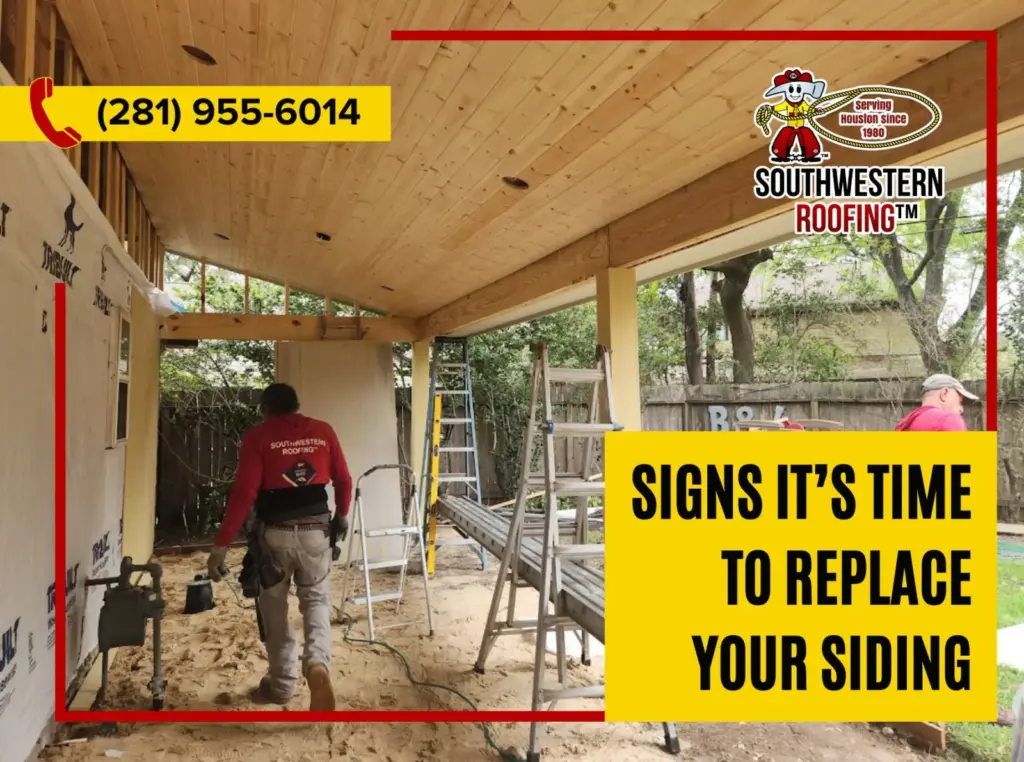
Even the toughest materials degrade over time. The following warning signs usually indicate that a replacement is more cost‑effective than patch‑up repairs:
- Age and wear: Most vinyl and fiber‑cement products last 20–30 years. If your siding is nearing that lifespan, moisture infiltration and rot become serious risks.
- Visible damage: Cracks, warping, or large gaps allow drafts, pests, and water to penetrate the building envelope.
- Rising utility bills: According to the U.S. Department of Energy’s 2026 Residential Energy Consumption Survey, homes with damaged siding can waste up to 15 % more heating energy.
- Mold or mildew growth: Persistent damp spots on interior walls often trace back to compromised exterior cladding.
- Outdated aesthetics: Modern materials offer a broader palette of colors and textures that can dramatically raise resale value.
The Core Benefits of a Siding Replacement
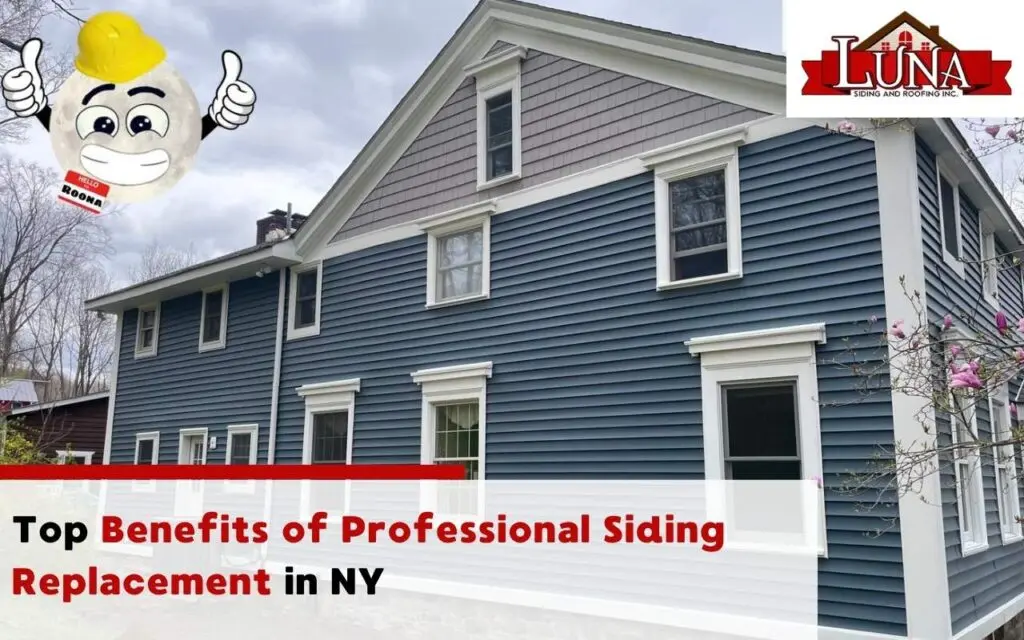
Replacing siding is not merely a cosmetic upgrade; it’s an investment in the structural health of your home. Recent data from the National Association of Home Builders (2026) shows that a well‑executed siding project can increase a property’s market value by 5‑7 % and reduce heating and cooling costs by an average of 12 %.
Table of Contents
- When Is It Time to Replace Your Siding?
- The Core Benefits of a Siding Replacement
- Choosing the Right Material for Your Replacement
- Vinyl Siding
- Fiber‑Cement Siding (Hardie Board)
- Engineered Wood
- Metal Siding
- Cost Overview and Financing Options in 2026
- Step‑by‑Step Guide to a Successful Siding Replacement
- Common Mistakes Homeowners Make During Replacement
- Frequently Asked Questions
- How long does a siding replacement typically take?
- Can I replace only part of my home’s siding?
- Does new siding improve resale value?
- Is fiber‑cement siding fire‑rated?
- What maintenance does vinyl siding require?
- Future Trends: What to Expect in Siding Technology
Key advantages include:
- Enhanced weather resistance: New siding provides a tighter seal against wind, rain, and snow, reducing the likelihood of water intrusion.
- Improved energy efficiency: Materials such as insulated vinyl or fiber‑cement with a built‑in moisture barrier keep indoor temperatures stable.
- Lower maintenance: Modern cladding options require far less painting or sealing than traditional wood.
- Increased home safety: Fire‑rated siding, especially fiber cement, can slow the spread of flames, meeting stricter building codes.
- Boosted curb appeal: Fresh colors and textures refresh the home’s appearance, a factor highlighted in our 2026 Hardie Board guide.
Choosing the Right Material for Your Replacement
Material selection determines durability, cost, and the overall look of your home. Below is a snapshot of the most common options in 2026, along with their typical price ranges per square foot (installed):
Vinyl Siding
Vinyl remains the most popular choice for its affordability and low maintenance. Newer insulated panels can provide R‑values of up to 2.5, contributing to better home energy efficiency. The complete 2026 vinyl guide notes that premium products now resist fading for up to 25 years.
Fiber‑Cement Siding (Hardie Board)
Hardie Board offers a blend of durability and fire resistance. According to the 2026 Hardie Board market report, fiber cement’s lifespan exceeds 50 years when properly maintained, making it a long‑term solution for harsh climates. Its texture can mimic wood without the associated rot risk.
Engineered Wood
Engineered wood provides the natural look of traditional lumber while being treated to resist moisture and insects. However, it typically requires repainting every 5–7 years, adding to lifetime costs.
Metal Siding
Aluminum and steel panels deliver superior impact resistance and are recyclable, appealing to eco‑conscious homeowners. The downside is higher upfront cost and potential denting in severe hail events.
Cost Overview and Financing Options in 2026
The total expense of a siding replacement varies by material, house size, and regional labor rates. The 2026 cost survey by HomeAdvisor shows the following average ranges for a 2,000‑sq‑ft home:
- Vinyl siding: $6,000–$10,000
- Fiber‑cement (Hardie Board): $9,000–$14,000
- Engineered wood: $8,500–$13,000
- Metal siding: $11,000–$18,000
Many contractors now offer financing plans with 0 % interest for the first 12 months, or you can tap into home‑equity lines of credit. Checking local incentives is also worthwhile; several states provide tax credits for installing energy‑efficient exterior cladding.
Step‑by‑Step Guide to a Successful Siding Replacement
Below is a practical roadmap to ensure a smooth project from assessment to final walk‑through.
- Initial assessment: Hire a certified inspector to evaluate the condition of the existing siding, underlying sheathing, and any water damage.
- Material selection: Compare durability, R‑value, and aesthetic preferences. Use the list of top siding companies near you to find specialists experienced with your chosen product.
- Obtain quotes: Secure at least three written estimates that break down labor, materials, and disposal fees.
- Schedule removal: Professionals will strip the old cladding, inspect the sheathing, and replace any rotted sections before installing the new siding.
- Install weather barrier: A high‑quality house wrap (e.g., Tyvek) improves moisture control and enhances home energy efficiency.
- Apply new siding: Follow manufacturer guidelines for spacing, fastener type, and sealing to maintain warranty coverage.
- Finish & inspection: Trim, caulk, and paint (if required) before a final walkthrough to verify alignment, sealing, and overall appearance.
- Maintenance plan: Schedule annual visual checks and clean the surface with a mild detergent to prevent grime buildup.
Common Mistakes Homeowners Make During Replacement
Even with professional help, certain pitfalls can undermine the benefits of a new exterior:
- Skipping the house wrap: Without a proper moisture barrier, you risk condensation between the siding and sheathing.
- Choosing the cheapest material: Low‑cost options may lack adequate UV protection, leading to premature fading and cracking.
- Improper flashing installation: Faulty flashings around windows and doors allow water infiltration, negating the weather‑resistant advantage.
- Neglecting local building codes: Some municipalities require fire‑rated siding in specific zones; overlooking this can cause permit issues.
- Delaying post‑installation inspection: Small gaps or misaligned panels are easier to correct immediately rather than after the project closes.
Frequently Asked Questions
How long does a siding replacement typically take?
For an average 2,000‑sq‑ft home, the process—from demolition to final inspection—usually spans 7–10 business days, depending on weather and material availability.
Can I replace only part of my home’s siding?
Partial replacement is possible but can create visual mismatches unless the same product line and color are used. Matching the texture and finish is critical for a seamless look.
Does new siding improve resale value?
Yes. A 2026 study by the National Association of Realtors found that homes with recently upgraded exterior cladding sell 3–5 % faster and often at a premium compared to those with aging siding.
Is fiber‑cement siding fire‑rated?
Most fiber‑cement products meet or exceed ASTM E84 Class A fire‑rating, making them suitable for fire‑prone regions.
What maintenance does vinyl siding require?
Vinyl siding mainly needs periodic cleaning to remove dirt and mildew. Inspect seams annually for cracks or loose panels, and reseal as needed.
Future Trends: What to Expect in Siding Technology
By 2028, manufacturers plan to integrate smart sensors into siding panels to monitor temperature, humidity, and structural stress in real time. Early adopters in 2026 are already seeing benefits in proactive maintenance, reducing unexpected repairs by up to 30 % according to a pilot study by the Smart Home Builders Council.
Whether you’re driven by energy savings, aesthetic upgrades, or protecting your investment, a well‑planned siding replacement can deliver lasting value. Start by assessing your home’s current condition, choose the material that aligns with your climate and budget, and partner with a reputable contractor to bring the project to completion.
For a comprehensive overview of siding types and their history, visit Wikipedia’s siding article.
